
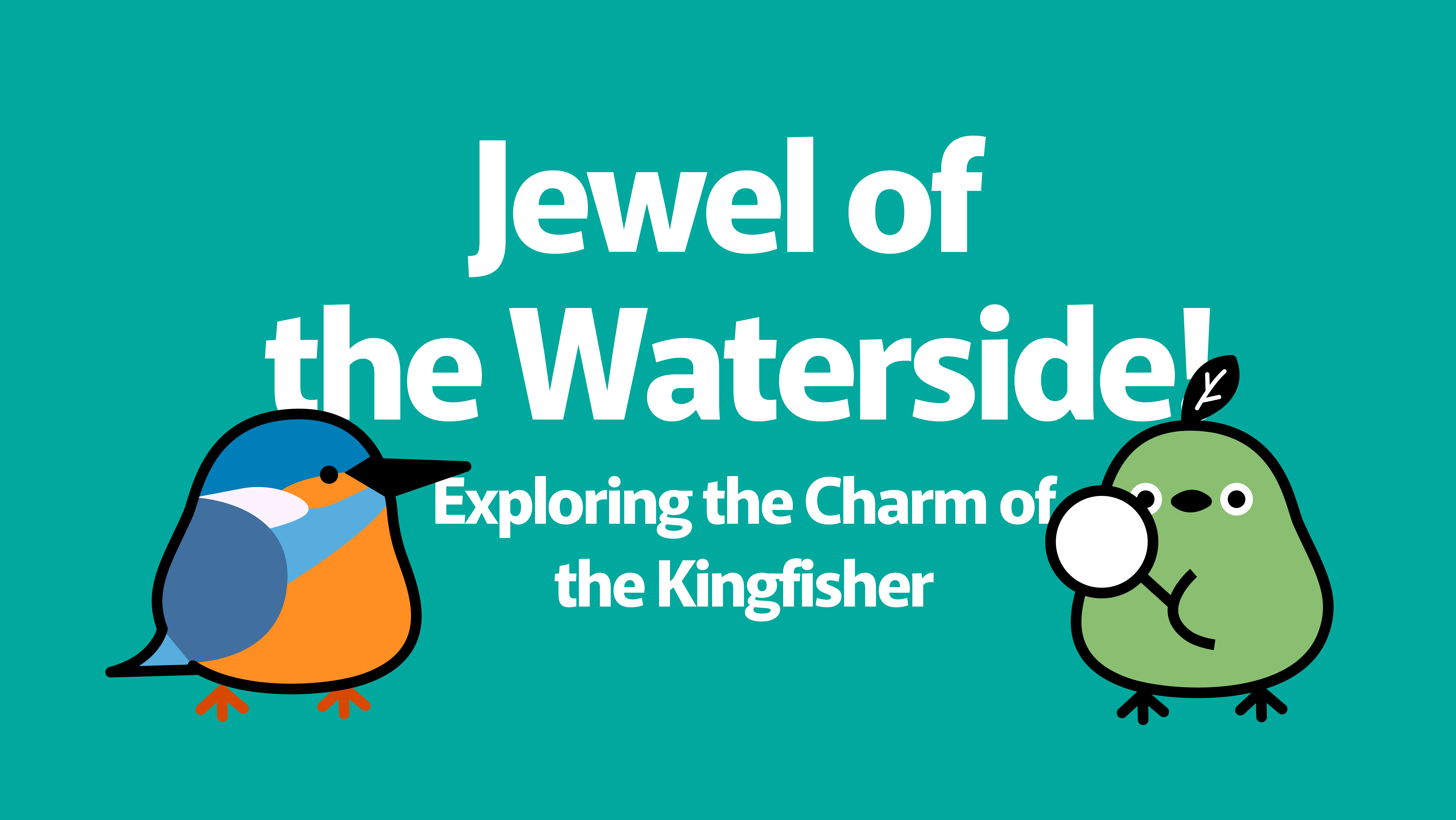
Are you familiar with the kingfisher, a bird that captures our attention with its vivid aqua blue plumage? Classified under the order Coraciiformes and the family Alcedinidae, the kingfisher is about the size of a sparrow, with a body length of approximately 17cm. Often referred to as the “jewel of the waterside” due to its beautiful colors, it continues to enchant those who lay eyes on it.
However, this beautiful bird is also considered a species at risk of extinction. That’s why we hope people will learn about the kingfisher and develop a consciousness to protect it. There are even tricks to distinguish between male and female kingfishers. The secret lies in their beaks. While the male has an entirely black beak, the female has a red lower beak.
Moreover, the secret behind the kingfisher’s stunning colors lies in the structure of its feathers. The blue appearance isn’t due to blue pigments in the feathers; rather, it’s a result of “structural coloration,” where various colors emerge depending on the angle of light, similar to soap bubbles or the back of a DVD or CD.

During the breeding season, the male kingfisher engages in courtship behavior, presenting small fish to the female. If accepted, the two successfully become a couple and start a new family in a nest built in the banks of the waterside.
The kingfisher is a master hunter, catching fish while flying above the water’s surface. It perches on trees or stakes near the water, hunting in an ambush style like a true professional of the natural world. The sight of it diving from a hover to snatch a fish is truly awe-inspiring.
Finally, the kingfisher is also written in kanji as “翡翠” (jadeite). True to its name, its blue back feathers beautifully shimmer due to structural coloration. The kingfisher, the jewel of the waterside, is a creature whose beautiful appearance and ecology we should continue to cherish and protect.


